Sustainable Compliance Trends for Agricultural-Grade Chemicals: Carbon Footprint, Eco Packaging, Traceability, and International Trade Requirements (2025)
I. Why Sustainable Compliance Has Become the New Core of Global Fertilizer Trade
Climate policies, international trade barriers, and the trend toward sustainable agriculture are driving the fertilizer industry toward:
- Lower carbon emissions
- More eco-friendly packaging
- Stricter traceability systems
- More robust ESG compliance frameworks
Starting in 2025, an increasing number of countries worldwide will adopt “green standards” as a critical threshold for fertilizer imports.
Therefore, exporters of CAN, calcium nitrate (CN), magnesium nitrate (MN), and water-soluble NPK must understand and respond to these emerging trends.
II. Carbon Footprint Is Becoming a Key Metric for Fertilizer Exports
Many countries now require agrochemical products to provide carbon footprint or environmental product declarations (CFP / EPD), particularly in the European Union, the Middle East, and select Asian nations.
Key aspects of carbon footprint include:
- Raw material sources (nitrate, ammonium, ores)
- Energy consumption and greenhouse gas emissions during manufacturing
- Carbon footprint of packaging materials
- Carbon emissions from maritime transport
Trends in key importing regions:
- European Union (EU): The CBAM mechanism will expand to cover more chemical categories
- UAE / Saudi Arabia: Require ESG reports or environmental compliance documentation
- Southeast Asia: Gradually introducing carbon labeling requirements
- North America: Driving low-carbon supply chains for agricultural products
The fertilizer industry is progressively entering a phase where “high carbon → high tariffs → difficult exports” becomes the norm.
III. Impact of the EU’s CBAM (Carbon Border Adjustment Mechanism) on Fertilizers
Although water-soluble fertilizers are not directly included in CBAM’s primary product categories during 2024–2025, the following developments are already underway:
✔ Nitrogen-based fertilizer products are gradually being brought under carbon regulation
(Products containing nitrate nitrogen—such as CN, MN, and CAN—are at higher risk.)
✔ Supply chain carbon data transparency is becoming a condition for import
European importers are now requesting CO₂ emission data.
✔ Agrochemicals are highly likely to be formally included in CBAM in the coming years
Hansol Chemical’s proactive provision of carbon data enhances its competitive advantage.
IV. Eco Packaging Is Emerging as a New Competitive Differentiator
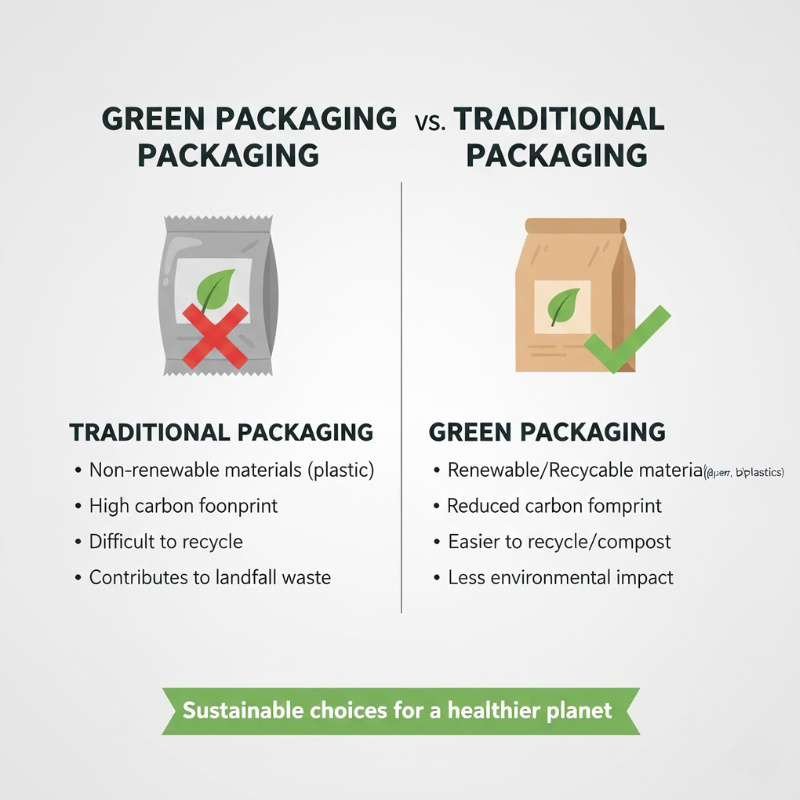
Global demand for environmentally friendly fertilizer packaging is clearly rising:
1. Plastic reduction policies continue to expand
- Multiple Southeast Asian countries have banned single-use plastic film bags
- Europe mandates minimum recycled material content
2. Trends toward recyclable and biodegradable packaging
- Thicker PE/PP recyclable bags
- Post-consumer recycled (PCR) content at 10–30%
- Biodegradable films (PLA+PBAT)
3. Packaging requirements for highly hygroscopic products (CN / MN)
Must meet the following criteria:
- Multi-layer composite films
- Moisture-resistant coatings
- Oxygen barrier materials
Eco-packaging standards are shifting from “biodegradable” toward “recyclable + high durability.”
V. Traceability Systems Are Becoming a Compliance Standard
Importing countries now seek end-to-end visibility—from origin and export to final distribution—tracking:
- Raw material batches
- Product batch numbers
- Manufacturing dates
- Packaging serial numbers
- Supply chain flow
- COA matching records
Typical requirements:
- Thailand / Vietnam: Mandatory QR code-based fertilizer traceability
- Middle East: Requires batch tracking documentation
- EU: Encourages full supply chain LCA (Life Cycle Assessment)
Benefits of implementing traceability systems:
✔ Reduced compliance risk
✔ Clearer quality profiles
✔ Greater buyer confidence
✔ Faster customs clearance
Hansol Chemical’s batch management and packaging coding system fully aligns with this trend.
VI. ESG and Trade Compliance Are Becoming Non-Negotiable Criteria for International Buyers
Major international buyers—including global distributors, multinational traders, and large-scale farming groups—are increasingly focused on:
- Environmental performance
- Social responsibility (labor and safety)
- Governance structures
When sourcing water-soluble fertilizers, nitrates, or NPK products, they now require:
✔ Records of safe production practices
✔ Environmental emission records
✔ Compliance with wastewater and exhaust gas regulations
✔ Product safety certifications
✔ Workplace safety and labor standards
This means fertilizer suppliers lacking a robust ESG framework risk being excluded from major global supply chains.
VII. International Trade Documentation: COA, MSDS, UN Packaging, SGS
Even amid rising sustainability demands, traditional compliance documents remain essential:
- COA (Certificate of Analysis)
- MSDS (Material Safety Data Sheet)
- UN packaging certification (for nitrate-based products)
- SGS / CIQ inspection reports
- Certificate of Origin (CO)
- Label compliance (in local languages)
Sustainable compliance does not replace traditional compliance—it adds to it.
VIII. Sustainable Compliance Trends in Fertilizer Trade (2025–2030)
The global market will undergo the following shifts:
1. Carbon footprint will become a mandatory export requirement
Suppliers without verified carbon data may face shipment rejections.
2. Green packaging will become compulsory
Especially in the EU and certain Southeast Asian countries.
3. Supply chain transparency will increase
QR code-based traceability will become an industry standard.
4. ESG will become a mandatory supplier evaluation criterion
Not only large corporations but also smaller buyers will demand it.
5. Hazardous goods regulations and sustainability rules will operate in parallel
Nitrate-based products will face dual regulatory oversight.
IX. Hansol Chemical’s Sustainable Compliance Capabilities
Hansol Chemical has established a comprehensive sustainability and ESG framework, including:
✔ Low-carbon production systems
✔ Eco-friendly packaging solutions
✔ End-to-end supply chain traceability (Batch Traceability)
✔ Fully transparent COA / MSDS documentation
✔ Support for SGS and third-party inspections
✔ Proven compliance experience across 30+ global markets
✔ Alignment with stringent standards in the EU, Middle East, and Southeast Asia
This positions Hansol Chemical as a reliable, safe, and compliant long-term partner for its customers.